
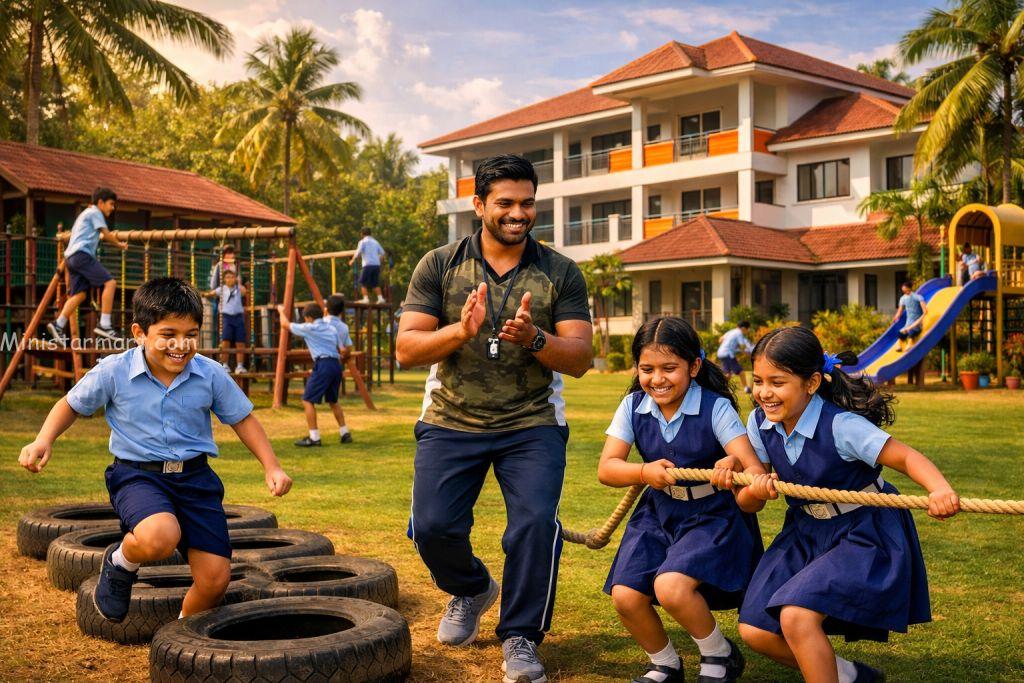
Why Every Single School Worldwide Needs Dedicated Physical Education Teachers
About School Physical Education
This post addresses a critical shortfall in global education systems: the systemic neglect of physical education (PE) due to arbitrary division and enrollment quotas. Originally sparked by local advocacy in Kerala, India, highlighting the lack of permanent PE instructors, this issue resonates on a global scale. In an era dominated by digital screens and sedentary lifestyles, treating physical fitness as an optional luxury rather than a core human right damages youth development. By demanding permanent physical literacy specialists across all elementary and secondary institutions, this article advocates for an educational paradigm shift that treats a child’s bodily health with the exact same gravity as their academic performance ( School Physical Education ) .
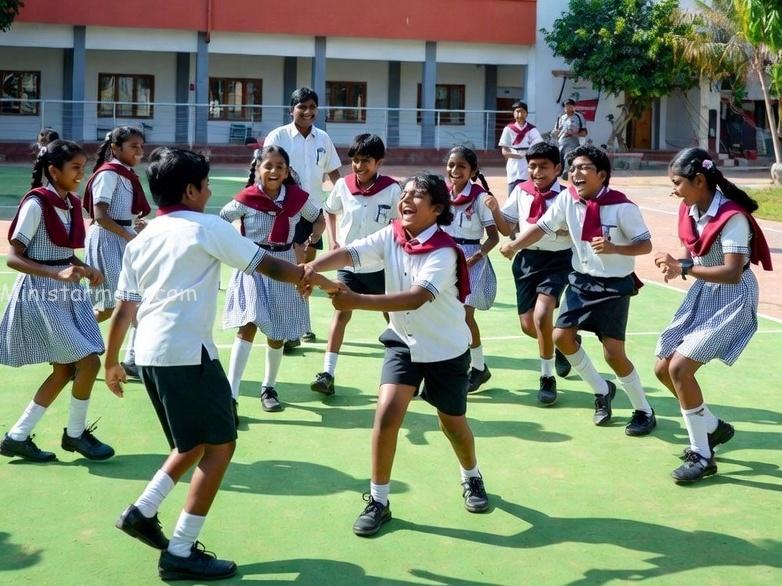
Student Fitness Programs, Youth Mental Health, School Sports Curriculum, Childhood Obesity Prevention, Holistic Child Development
20x HashTags: #PhysicalEducation #SchoolFitness #StudentWellness #YouthHealth #ActiveKids #EducationReform #MentalHealthMatters #HolisticEducation #HealthyGenZ #SchoolSports #GlobalHealth #ChildhoodObesity #ActiveSchools #FutureGenerations #WellbeingInEducation #Pedagogy #HealthyLifestyle #GenZMirror #MoveEveryDay #SportsScience #School Physical Education
Why Every Single School Worldwide Needs Dedicated Physical Education Teachers
The modern education system is facing a silent crisis. For decades, schools across the globe have operated under a flawed assumption: that academic excellence can be built on a foundation of physical neglect. We pack children into classrooms for six to eight hours a day, load them with textbooks, and demand intense cognitive output. Yet, when it comes to the physical vessels powering those minds, the system frequently cuts corners.
In many parts of the world, including developing education hubs like Kerala, India, the presence of a qualified physical education (PE) teacher is treated as a luxury. Bureaucratic rules often dictate that a school must hit a specific student enrollment quota or a high number of class divisions before a permanent gym teacher is hired. If a school is small or rural, the children are simply left without professional guidance. This approach is not just outdated; it is dangerous. Every single child, regardless of school size, deserves an equal right to physical literacy.
The Urgent Need for Universal Physical Education
When we deny a school a dedicated physical education instructor, we are not just saving a budget line item; we are actively compromising the long-term health of our children. Physical literacy is not something that happens by accident during a standard recess period. It requires structured, intentional, and scientifically backed guidance that only trained PE professionals can provide.
Our world has fundamentally changed over the past two decades. The rise of smartphones, tablets, and immersive gaming environments has created a historically unprecedented level of physical inactivity among adolescents. According to global health metrics, a staggering majority of adolescents do not meet the recommended daily thresholds for movement. To explore the broader systemic impacts of this shift, the official World Health Organization Physical Activity Guidelines provide clear data on how structured movement prevents chronic, lifelong illnesses. Without an expert in the school to pull kids away from screens and onto the field, sedentary habits solidify into lifelong health crises.
The Myth of the Class Division Metric
The policy of linking PE teacher hiring to the number of student divisions is deeply flawed. Consider the inherent injustice: a child attending a crowded urban facility gets access to organized sports, tracking metrics, and professional fitness coaching. Meanwhile, a student attending a smaller, community-centered school gets a deflated soccer ball and an empty field because their school “doesn’t qualify” for a staff position.
- Equal Access to Health: A child’s cardiovascular health, motor skill development, and bone density needs do not change based on how many classmates they have.
- The Part-Time Solution: If a school genuinely lacks the enrollment for a full-time position, governments must mandate and fund part-time or traveling PE specialists to ensure no student is left behind.
- Protecting the Curriculum: Without a dedicated instructor, scheduled PE periods are inevitably hijacked by math or science teachers looking for extra test-prep time.
The Hidden Engine of Youth Mental Health
We cannot talk about the crisis in student mental health without talking about the lack of physical movement. The rates of anxiety, depression, and social isolation among Gen Z and younger demographics have broken records worldwide. While therapy and psychological counseling are vital components of the solution, the biological foundation of mental well-being—physical exertion—is frequently overlooked.
When a student participates in a structured physical education class, their brain undergoes a massive chemical recalibration. Exertion triggers the release of endorphins and neurotransmitters like dopamine and serotonin, which naturally regulate stress and elevate mood. To better understand how simple, routine movement actively alters brain chemistry and emotional resilience, you can read the comprehensive Harvard Health Guide on Exercise and Mental Health. Furthermore, sports teach kids how to navigate failure, celebrate communal wins, practice empathy, and build authentic peer-to-peer trust without the mediation of a digital screen.
Unlocking Hidden Grassroots Talent
Every global sports icon—from Olympic track stars to World Cup champions—started as a child on a humble school playground. However, raw talent requires an eye that can spot it and a hand that can nurture it. When a school lacks a qualified PE instructor, millions of naturally gifted athletes go completely unnoticed.
A trained physical education teacher does not just throw a ball into a crowd; they analyze biomechanics, identify exceptional hand-eye coordination, map out natural endurance, and direct children toward specialized training pipelines. In rural and underprivileged communities, sports are a proven vehicle for social mobility, scholarship opportunities, and international representation. By failing to staff our schools with talent scouts and coaches, we stifle the dreams of countless youth and lower the collective athletic potential of entire nations.
An Action Plan for Modern School Systems
To remedy this systemic failure, education ministries and local school boards must shift from a mindset of austerity to a mindset of investment. True educational reform requires three non-negotiable steps:
- Decouple Staffing from Enrollments: Legislate that physical education is a core pillar of the curriculum, mandating at least one specialized coach per campus regardless of student metrics.
- Standardize Fitness Testing: Implement holistic fitness tracking that measures a child’s year-over-year improvement in stamina, flexibility, and strength, prioritizing growth over raw athletic dominance.
- Modernize the Infrastructure: Ensure that public funds are allocated to provide safe playing surfaces, proper athletic footwear, and diverse sporting equipment so that every child can find a physical discipline they love.
Conclusion: A Shared Responsibility for the Future
A school that only trains the mind while letting the body atrophy is delivering an incomplete education. If we want to raise a generation capable of leading the world with clarity, strength, and resilience, we must stop treating physical education as an afterthought or a disposable elective. It is the very scaffolding upon which a healthy life is built.
We must heed the calls of local advocates and global health experts alike: put a qualified, passionate kinesiologist and coach in every single school building on earth. The return on this investment will not just be measured in gold medals or trophies, but in lower healthcare burdens, happier communities, and a brighter, more vibrant future for our youth.
What are your thoughts? Does your local school system give physical education the respect and funding it truly deserves, or have you noticed gym classes being pushed to the wayside? Let us know your experiences in the comments below! If you believe that our children’s health should be a top priority for policymakers worldwide, please share this article with parents, teachers, and school board members in your community. Let’s make our voices heard!


 No products in the cart.