
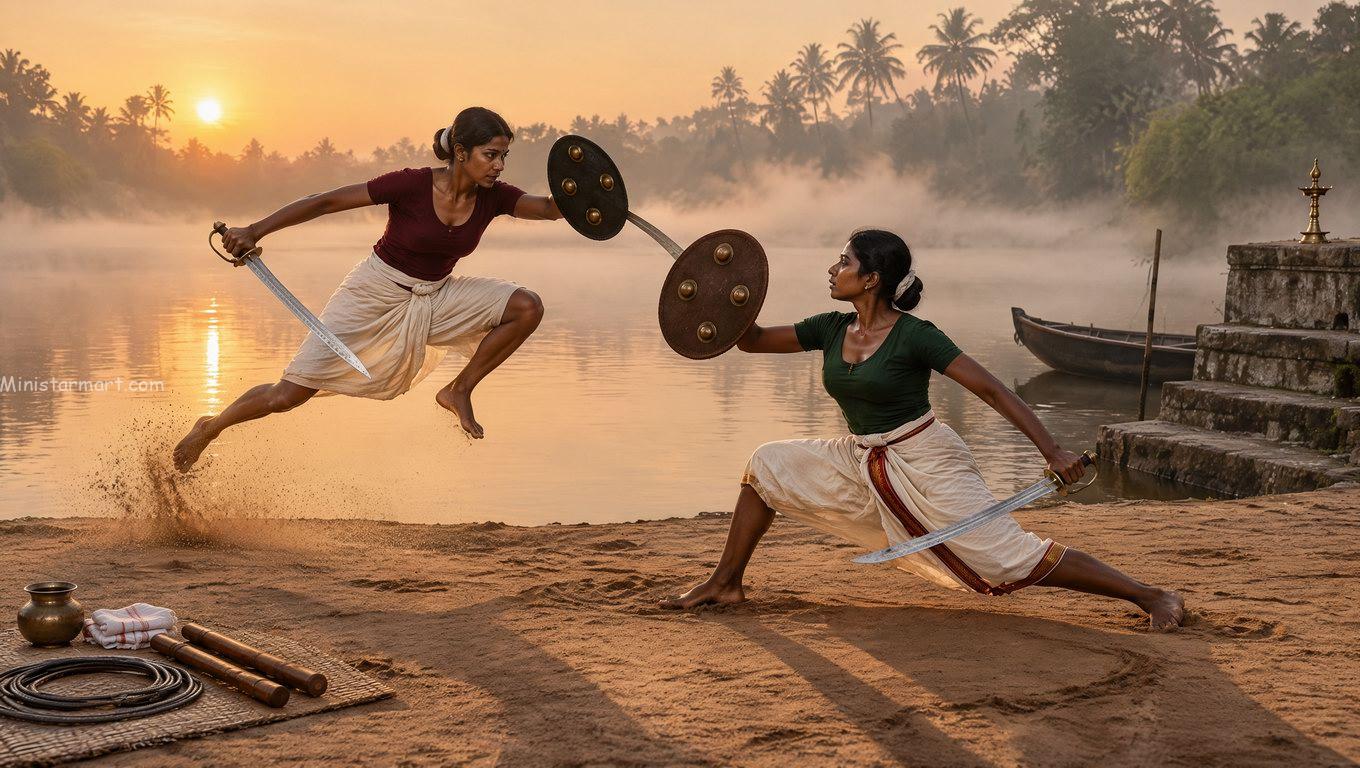
The Living Legacy of Kalaripayattu Martial Art
Discover Kalaripayattu: The World’s Oldest Living Martial Art From Kerala
Kalaripayattu Martial Art – Kalaripayattu is far more than just a physical combat system; it is a profound cultural treasure that bridges ancient Indian philosophy with modern holistic wellness. Hailing from the lush landscapes of Kerala, this venerable discipline integrates rigorous self-defense techniques, intricate weaponry mastery, deep breath control, and advanced Ayurvedic marmas. Today, it captivates global seekers, yogis, and martial arts enthusiasts looking for physical stamina, mental clarity, and spiritual grounding. By sharing this timeless tradition worldwide, we invite every reader to appreciate a heritage that has survived centuries to inspire modern personal growth and universal peace.
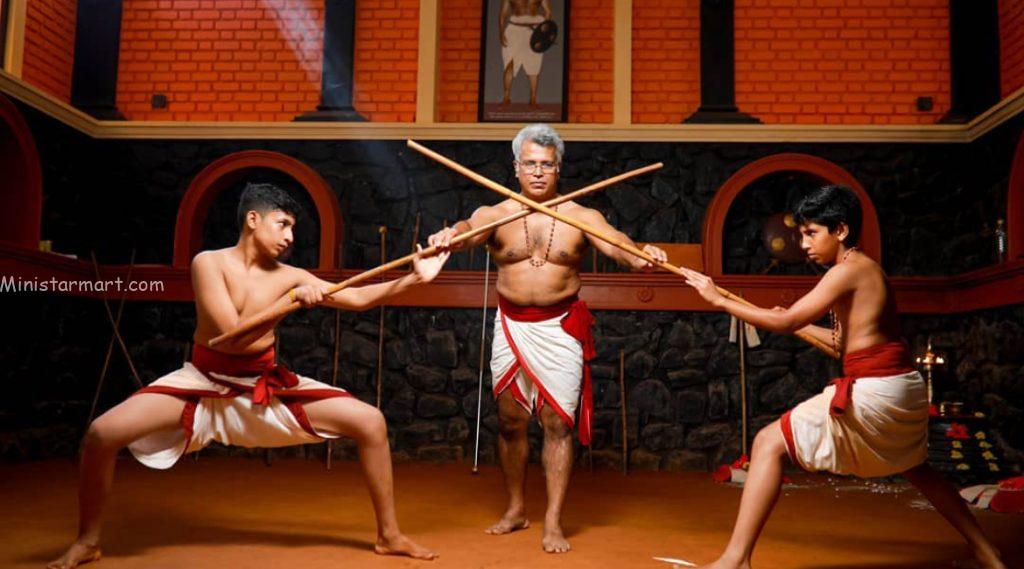
Discover Kalaripayattu: The World’s Oldest Living Martial Art From Kerala
Imagine a world where combat is not just about power, but about absolute harmony between the mind, breath, and body. Long before modern mixed martial arts or cinematic action choreography dominated global screens, a sophisticated system of combat and holistic healing was born in the tropical heart of southern India. Welcome to Kalaripayattu, widely celebrated by historians and cultural experts as the oldest surviving martial art in existence.
Originating in the vibrant state of Kerala, this ancient discipline has transcended its regional boundaries to become a global phenomenon. Whether you are a fitness enthusiast, a history buff, or a curious traveler, understanding Kalaripayattu opens a window into an extraordinary lifestyle that nurtures physical resilience and mental serenity.
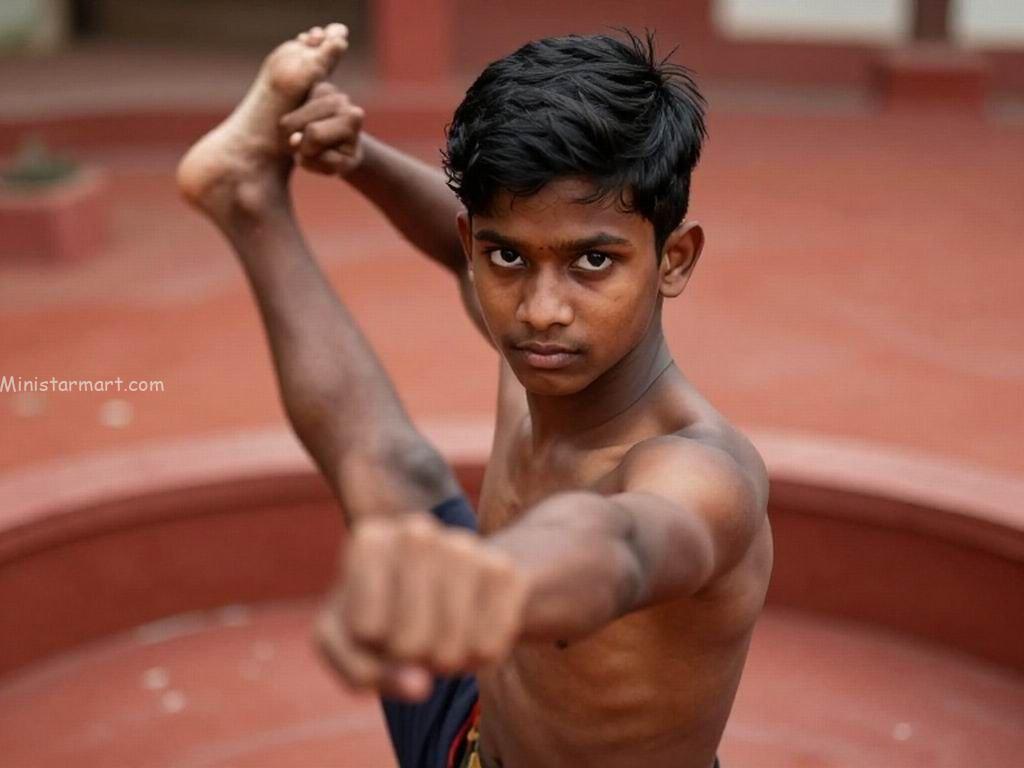
The Mythological Roots and Ancient Lore
Every great tradition has a story that bridges the earthly realm with the divine, and Kalaripayattu is no exception. According to Hindu mythology, the creation of this art form is deeply intertwined with the gods and sages of ancient India.
Legend says that Sage Parasurama, an avatar of Lord Vishnu who reclaimed the land of Kerala from the Arabian Sea, established 108 Kalaris (training schools) to protect the newly formed land. Having mastered the martial arts directly from Lord Shiva, Parasurama imparted these sacred combat techniques to twenty-one chosen disciples. This divine transmission laid the foundational principles for what is known today as the Northern Style (Vadakkan Kalari).
Simultaneously, in the southern regions, Sage Agastya is credited with developing the Southern Style (Thekkan Kalari). Focused heavily on empty-hand combat and the intricate science of Marmas (vital pressure points), Agastya’s teachings created a system capable of neutralizing an opponent with precise, measured strikes. To explore more about how ancient traditional fighting systems evolved globally, you can read insights on UNESCO’s Intangible Cultural Heritage and discover how humanity preserves these timeless practices.
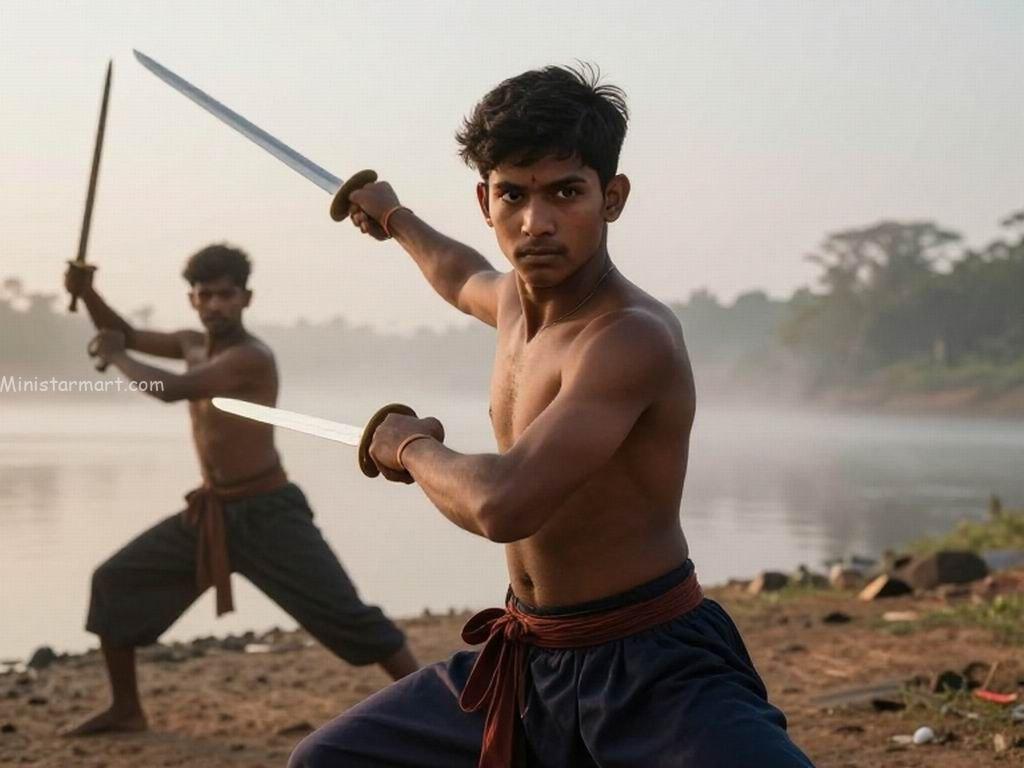
A Journey Through History: From Battlefield to Global Stage
While mythology gives the art its spiritual soul, history details its remarkable survival and evolution through the ages.
During the Sangam era (300 BC to 300 AD), early Tamil and Malayalam literature frequently referenced specialized combat arenas known as Padai Mandram. However, Kalaripayattu reached its golden age during the 11th and 12th centuries amid prolonged conflicts between the Chera and Chola dynasties. During this turbulent era, rigorous military training became mandatory for young men, turning Kalaris into premier centers of physical and tactical education.
Centuries later, during the feudal period, legendary warriors like Tacholi Othenan and Unniyarcha became folklore heroes. Their legendary duels and unwavering courage were immortalized in the famous Vadakkan Pattukal (Northern Ballads), inspiring generations with tales of honor and martial prowess.
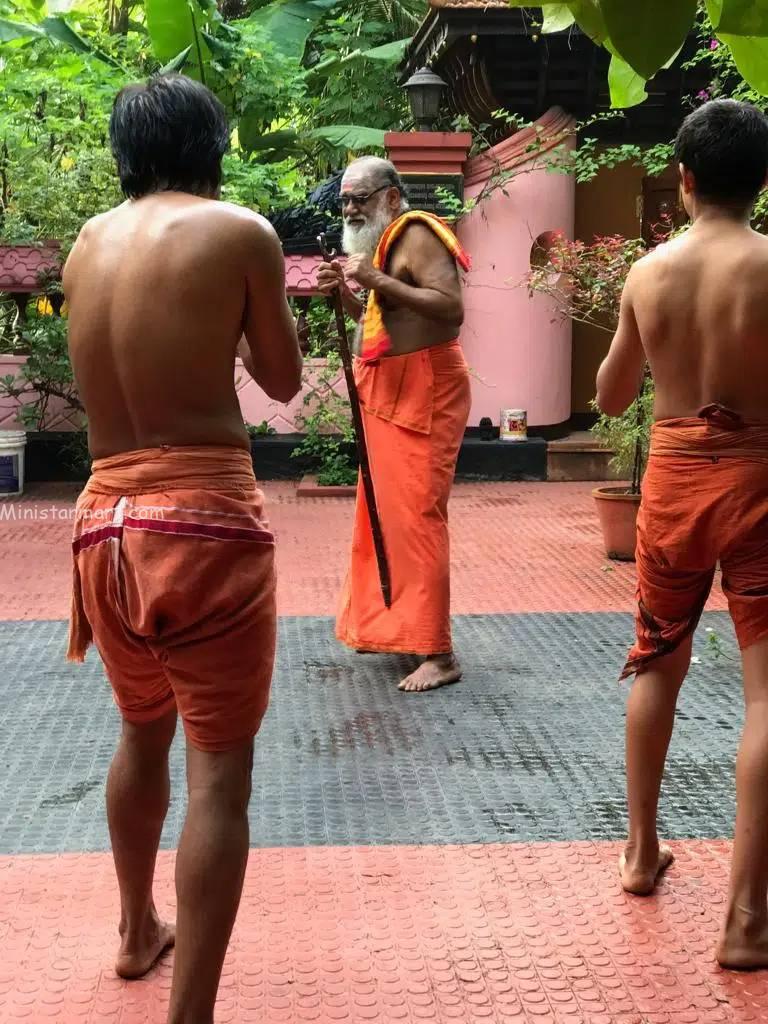
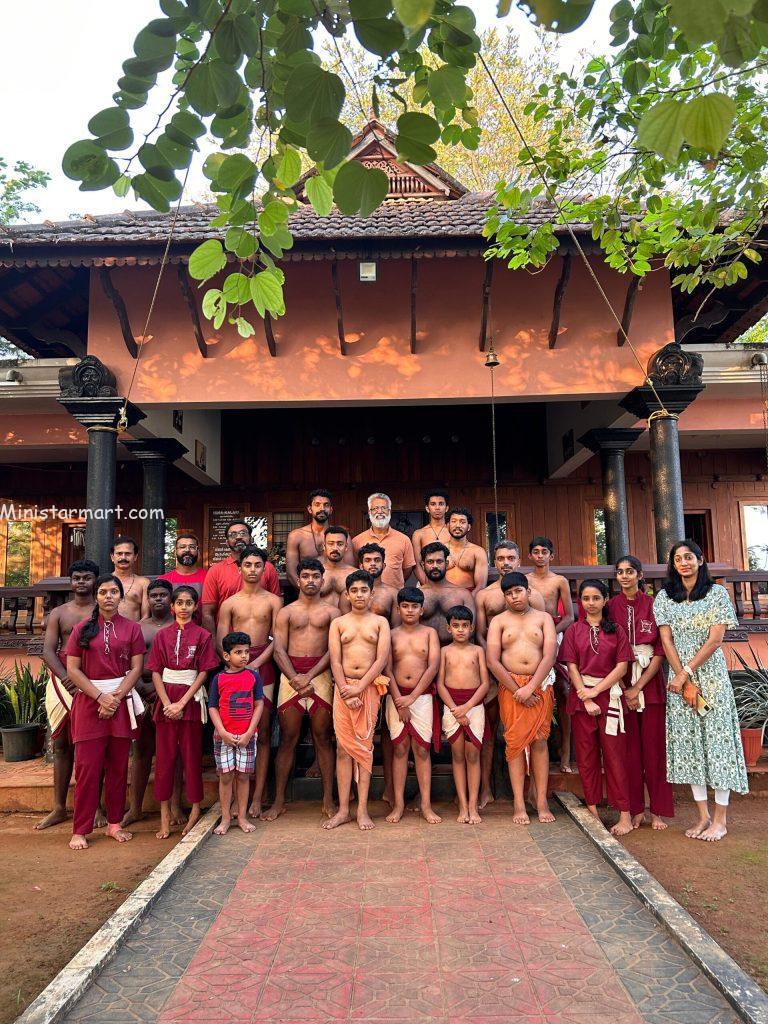
The turning point came with British colonial rule. In 1793, following widespread local uprisings led by freedom fighters like Pazhassi Raja, the British colonial government banned Kalaripayattu, fearing its power to unite and mobilize rebels. Despite the strict prohibition, dedicated Gurukkals (masters) kept the flame alive by practicing in absolute secrecy under moonlight in deep forests. Thanks to relentless revival efforts in the 1920s by pioneers like C.V. Narayanan Nair, the art stepped out of the shadows and reclaimed its prestigious place in Indian culture. For a broader perspective on how traditional fitness and combat disciplines integrate with modern health, check out resources on The Better India.
Strict Training Rules: Age, Gender, and Core Disciplines
Unlike many modern commercial sports, Kalaripayattu is governed by a strict code of ethics, discipline, and holistic preparation. It is an inclusive art that completely rejects discrimination based on gender, caste, or background.
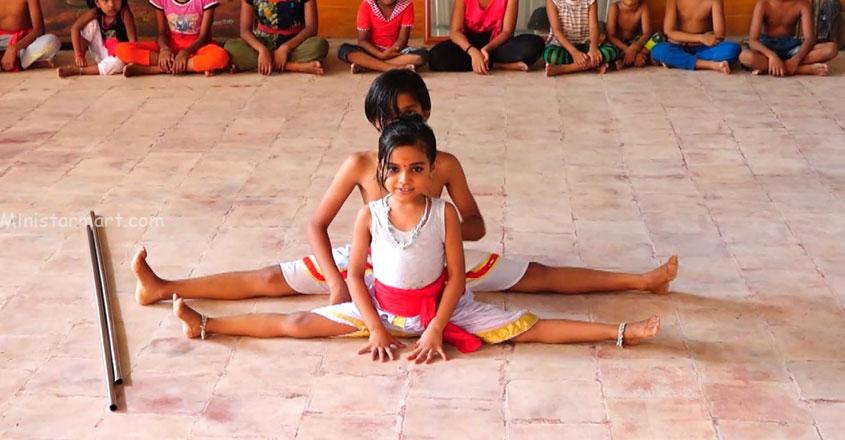
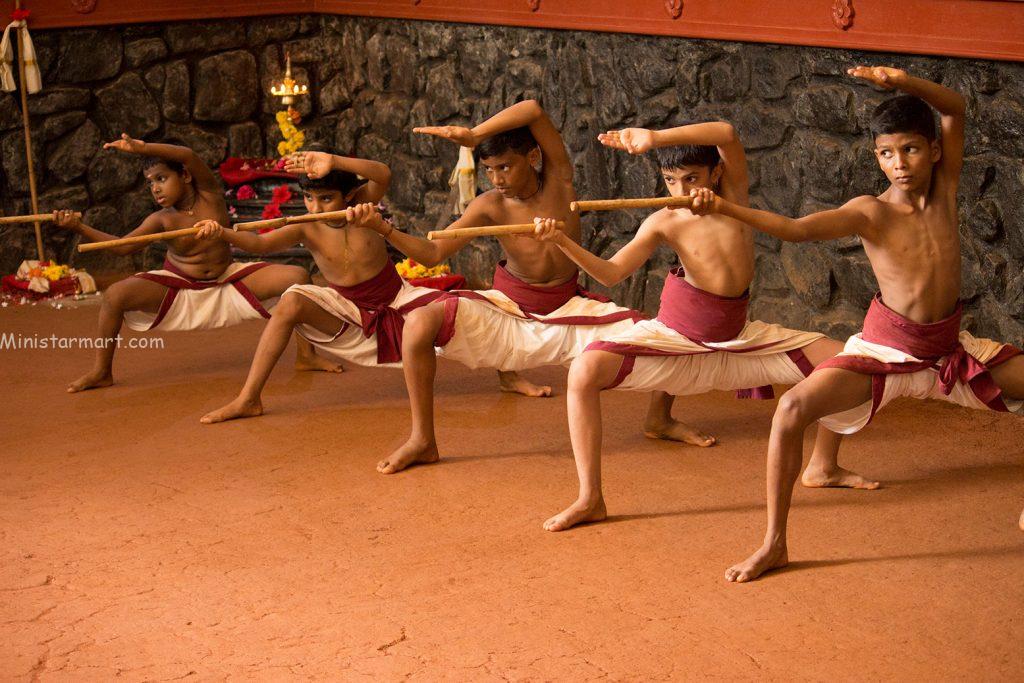
- Starting Age: The ideal age to begin formal training is around seven years old. At this tender age, children’s bodies possess natural flexibility, and their minds absorb discipline quickly. However, adults of any age can begin modified training tailored to their personal fitness levels.
- Gender Equality: History and modernity prove that Kalaripayattu belongs to everyone. From legendary heroines in ballads to modern female practitioners dominating global workshops, women find immense strength, agility, and self-defense capability in this art.
- The Sacred Training Rituals: Entering a Kalari requires utmost reverence. Students must touch the earthen floor with their right hand and bow before the Puthara (the sacred platform housing deities and guardian spirits) and the master.
- Oiling and Conditioning: Before every rigorous session, herbal oils (often infused with medicinal herbs) are massaged into the body. This traditional practice prevents injuries, enhances muscle flexibility, and keeps the body cool under intense physical stress.
- The Kalari Sash (Kacha): Practitioners tie a long cloth tightly around their waist. This Kacha provides vital abdominal support, protects internal organs during high leaps, and stabilizes core strength.
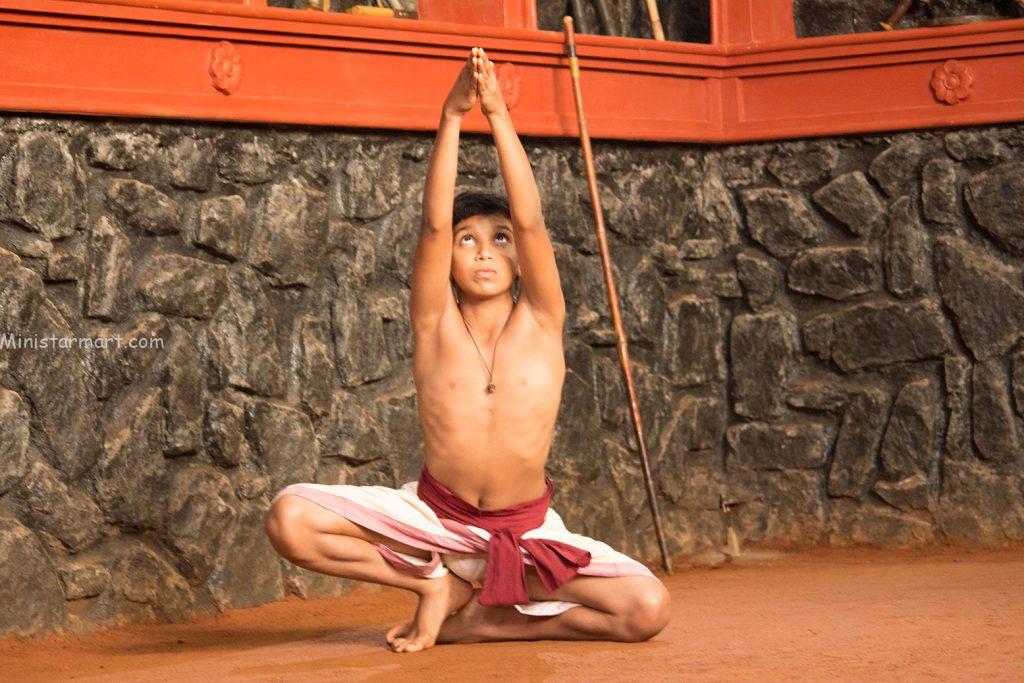
Why the World is Flocking to Learn Kalaripayattu Today
In recent decades, Kalaripayattu has captured the imagination of the international community. Dancers from Europe, martial artists from America, and holistic health seekers from Asia routinely travel to Kerala to immerse themselves in authentic Gurukula training.
International visitors are drawn to its unique benefits:
- Unmatched Body Agility: The animal-based postures (such as the Simha Vadivu / lion posture or Gaja Vadivu / elephant posture) build incredible core strength and flexibility.
- Mind-Body Synchronization: The rigorous focus required for weapon handling—ranging from wooden sticks (Kettukari) to flexible steel swords (Urumi)—trains the brain to achieve supreme mindfulness.
- Healing and Wellness: Beyond combat, the system gifts the world Kalari Marma Treatment and Uzichil (medicinal oil massage), which heal joint pains, muscular injuries, and realign the nervous system.
Share the Wisdom: Inspiring a Global Movement
Kalaripayattu is not merely a relic of the past; it is a living manual for mindful living, courage, and physical vitality. In a fast-paced digital world where stress and sedentary lifestyles prevail, the ancient wisdom of Kerala offers a refreshing sanctuary for the soul.
If this story has sparked a sense of wonder within you—if you realize how vital it is for the world to know about the disciplined grace of the Indian warrior heritage—take a moment to pause. Let that inner voice whisper: “Others need to read this too.” Share this blog post with your friends, family, and global networks on social media. Together, let us celebrate and preserve the timeless legacy of Kalaripayattu for generations to come!
#Kalaripayattu #MartialArts #KeralaTourism #AncientArts #IndianCulture #SelfDefense #CombatSports #WorldHeritage #FitnessCulture #MindBodySoul #TraditionalTraining #MartialArtsLife #GlobalFitness #HolisticHealth #WarriorTraining #CulturalHeritage #DiscoverKerala #MartialArtsHistory #AncientWisdom #FitLife
Indian martial arts history , Kalaripayattu training rules , Kerala martial arts culture , Traditional self defense art , Ancient combat science , Martial Arts , World Heritage , Fitness Culture , Kalaripayattu martial art …

 No products in the cart.