
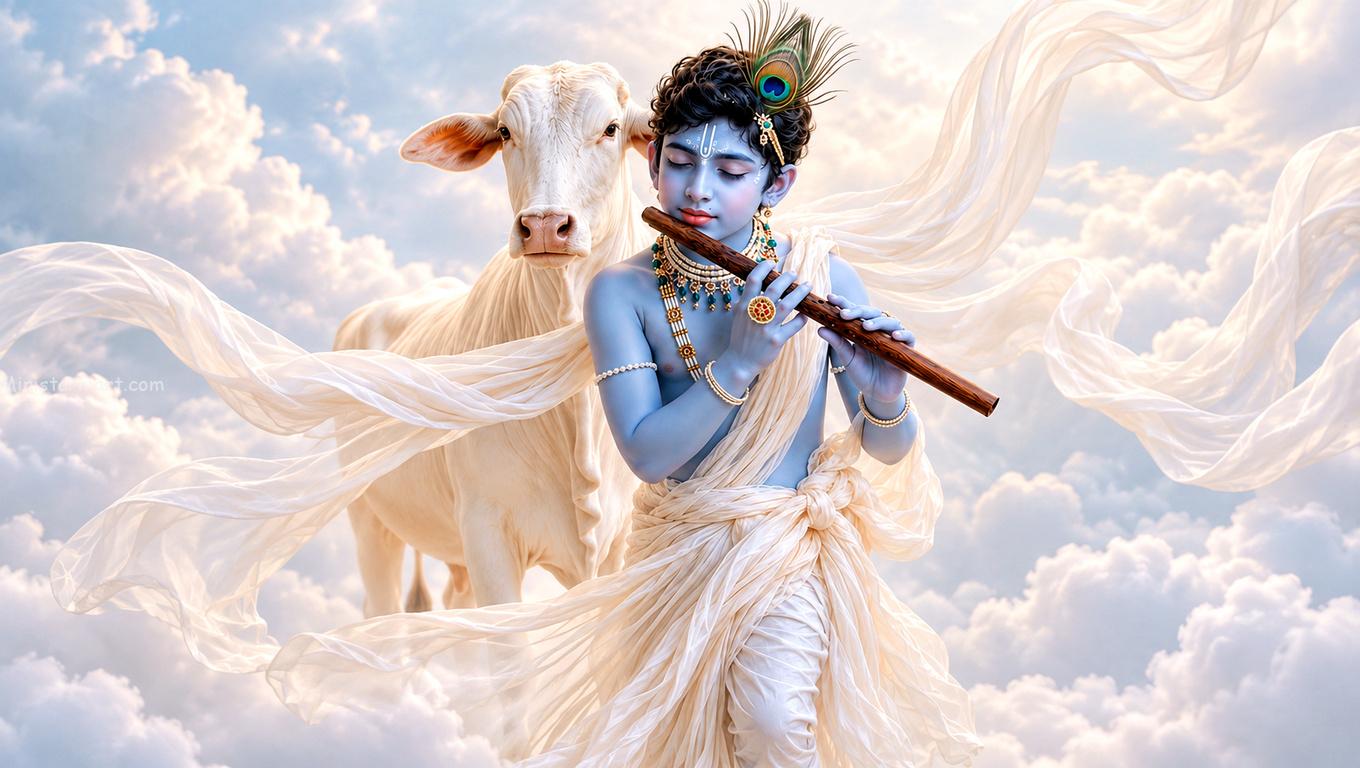
The Spiritual Secret Behind Dressing Children as Radha Krishna in India
Discover why Indian parents dress kids as Radha & Krishna for blessings, vows, and spiritual protection
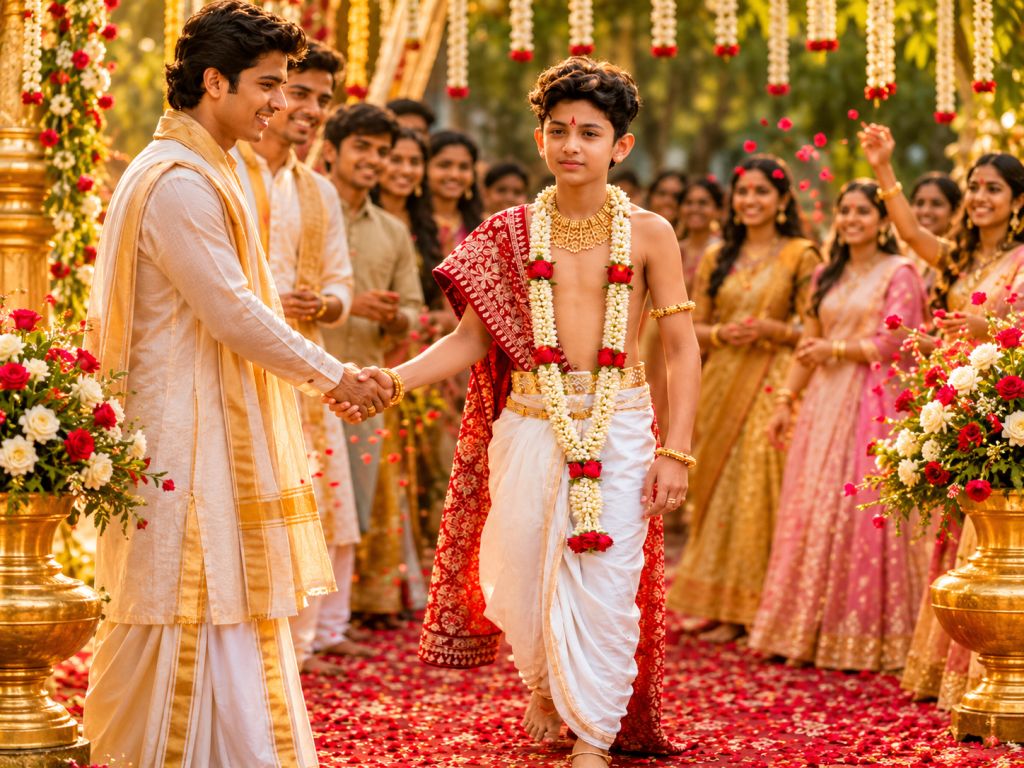
Krishna Dressing Tradition – Have you ever browsed through images of Indian festivals and marvelled at toddlers adorned in peacock feathers, golden crowns, holding flutes, or dressed as radiant village maidens? To global travelers and observers, the practice of dressing young children as Lord Krishna and His eternal consort Radha looks like an exquisite, vibrant costume tradition. However, in Indian culture and Hindu heritage, this act is far more than a decorative festive costume. It is a profound spiritual ritual, an act of sacred devotion, and a protective custom rooted in millennia of Vedic wisdom.
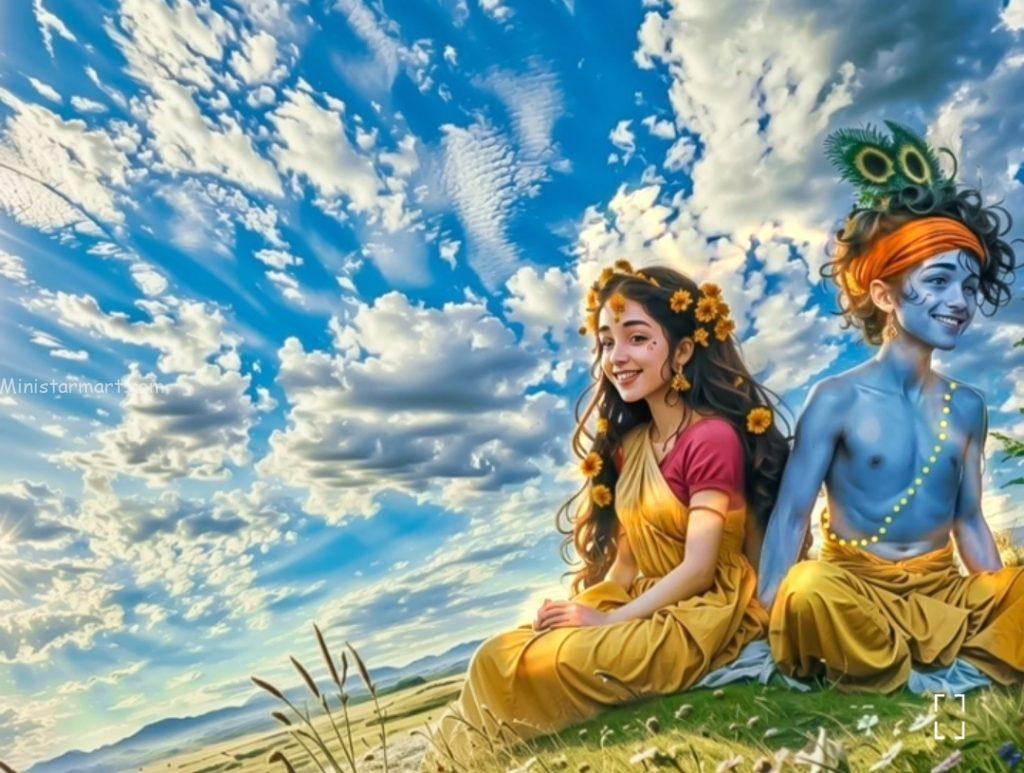
Across India, parents lovingly dress their little ones as Radha and Krishna during celebrations like Krishna Janmashtami (the nativity of Lord Krishna). But why does this tradition hold such an enduring place in Indian hearts? Let us explore the deeper spiritual symbolism, ritualistic vows, and energetic protection hidden behind this cherished custom.
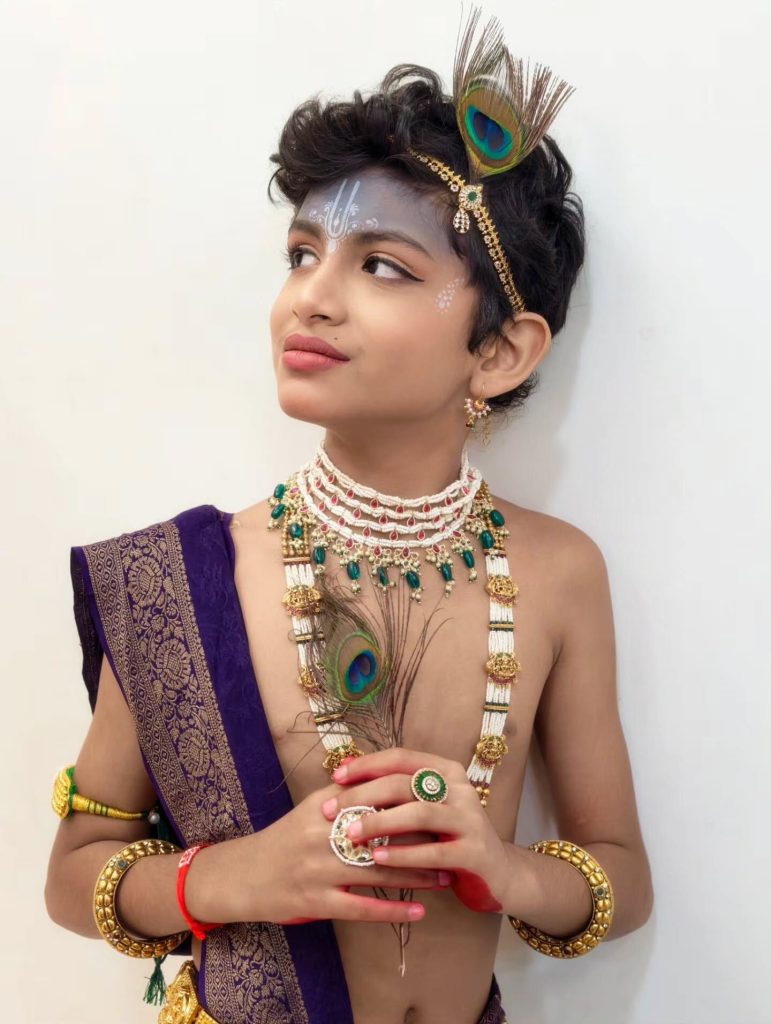
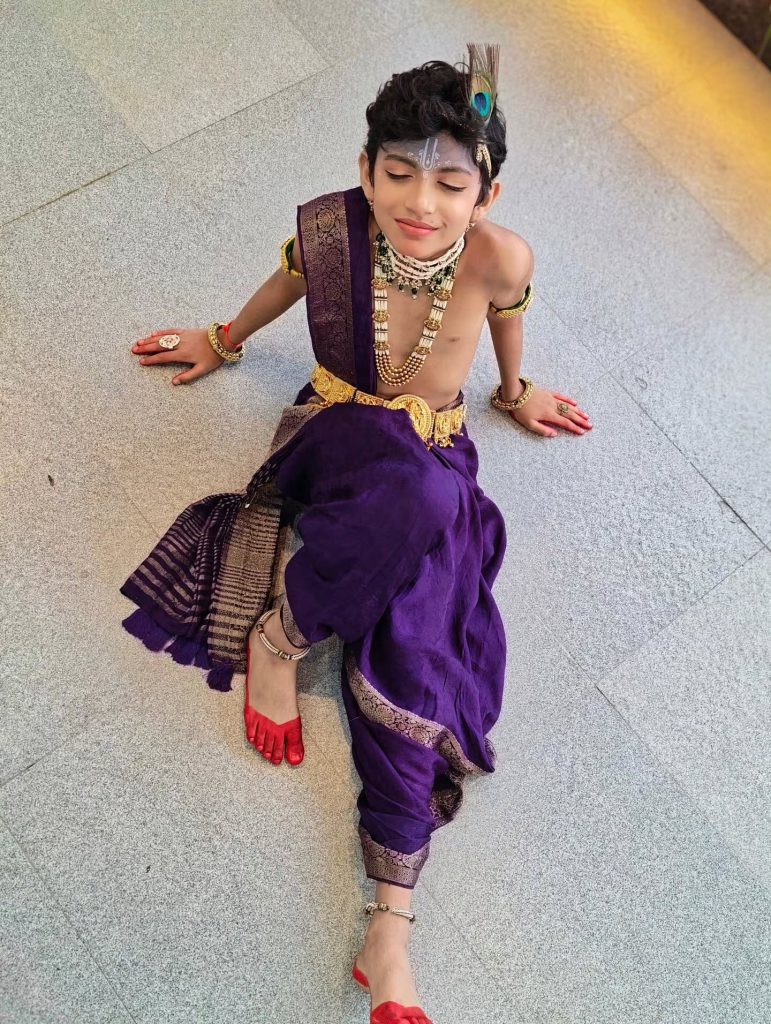
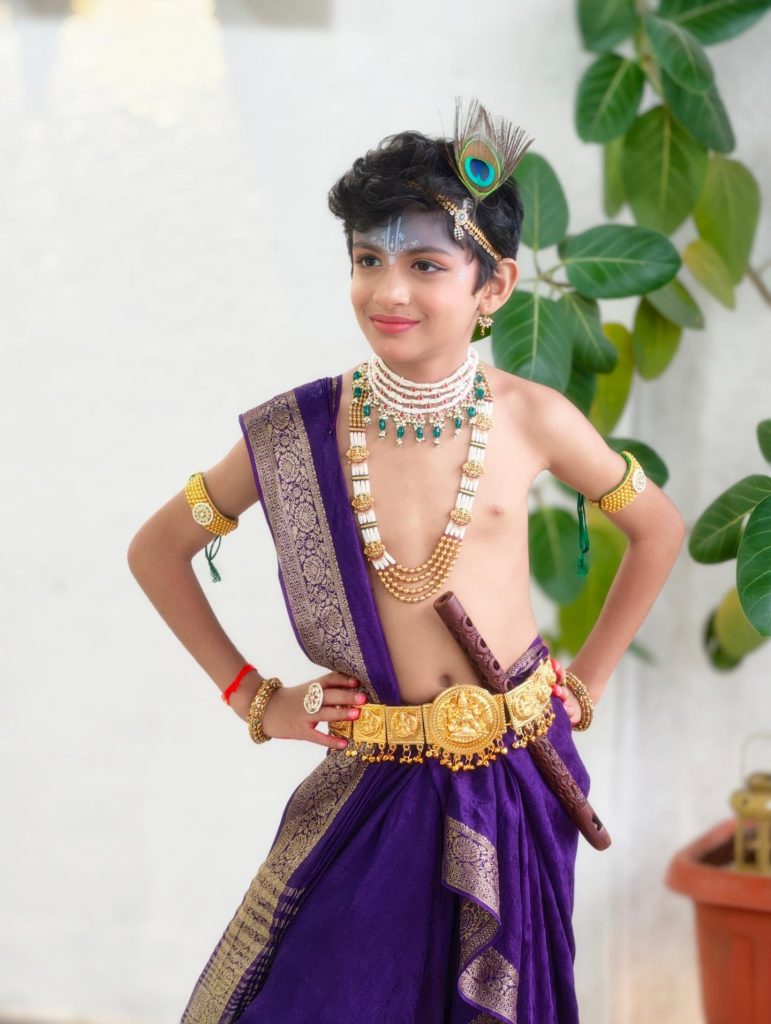
Why Indian Families Dress Children as Radha Krishna
To truly grasp this tradition, one must look past the aesthetic beauty and understand the multi-layered spiritual intentions that motivate parents to dress their children as divine figures.
1. Sacred Vows (Nercha) and Answered Prayers
In regional Indian practices—particularly in South India—dressing a child as Krishna or Radha serves as a primary sacred vow, locally known as a nercha or vazhipadu.
When couples pray for the blessing of a child, for a toddler’s recovery from a critical illness, or for family prosperity, they make a solemn pledge to Lord Krishna. Upon the fulfillment of their prayer, parents honor their promise by dressing their child as young Krishna or Radha on Janmashtami or during major temple festivals. This act is a heartfelt offering of gratitude (Kritajnata), acknowledging that the child is a divine gift entrusted to their care by the Almighty.
2. Ward Off Negative Energy and Ward Off Evil Eye (Dristi)
According to traditional Indian belief systems, young children possess pure, delicate subtle energy bodies that are highly sensitive to external vibrations. Customs often address negative influences, such as the “evil eye” (Dristi), malice, or subtle negative vibrations (Kaivisham and adverse spiritual energies).
Dressing a child in the sacred persona of Krishna or Radha acts as a protective spiritual shield. By invoking the divine persona of Lord Krishna—the ultimate protector and dispeller of darkness—parents believe that negative energies leave the child. Aligning the child’s identity with divine purity replaces harmful influences with peace, health, and aura protection.
3. Divine Innocence and the Playful Lord (Bala Leela)
In Indian philosophy, a child’s mind is unblemished, free from ego, greed, and malice. Because of this inherent purity, children are considered the closest living manifestations of God on Earth.
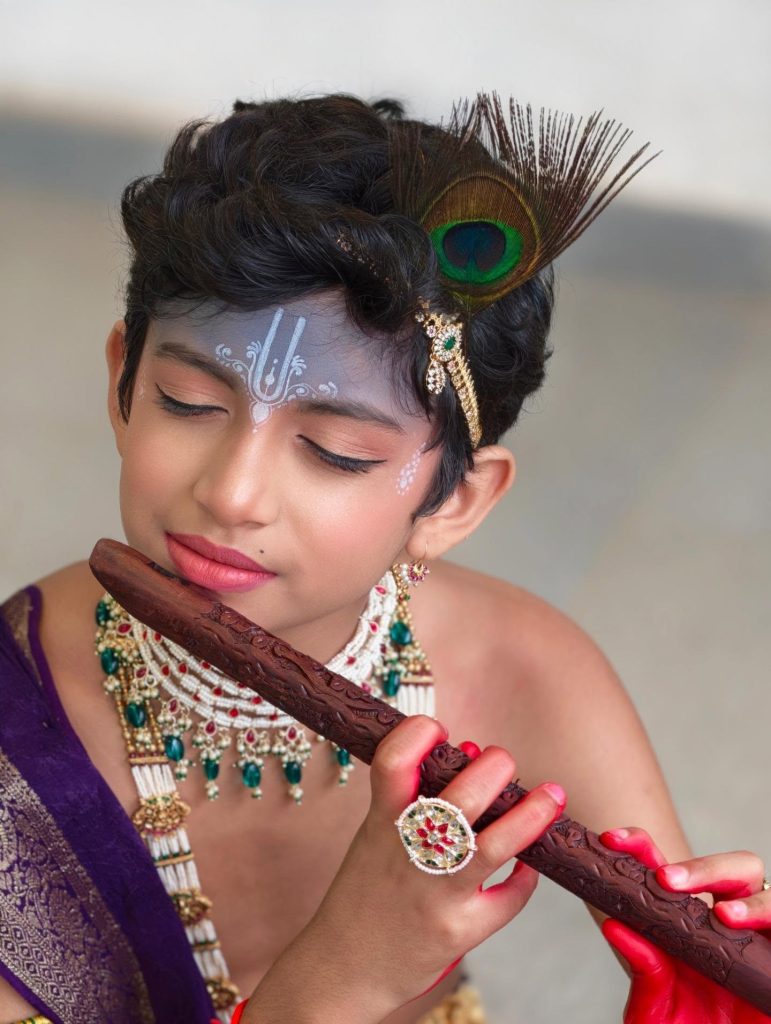
Lord Krishna’s childhood in Gokula, filled with playful mischief (Bala Leela), highlights the divinity present in childlike innocence. When parents dress their infants as Krishna stealing butter or playing the flute, they are not merely simulating history; they are actively recognizing and celebrating the divine presence inside their child.
4. Demonstrating Supreme Unconditional Love
The divine bond between Radha and Krishna symbolizes Bhakti—the pure, selfless union between the individual soul (Jivatma) and the Supreme Consciousness (Paramatma). It represents unconditional love detached from worldly desires.
When children are brought together dressed as Radha and Krishna, it serves as a visual reminder to society about the beauty of selfless love, harmony, and devotion. It teaches the community to look at relationships through a spiritual lens rather than a material one.
5. Passing Down Heritage to Future Generations
In an increasingly digital and globalized world, preserving cultural identity is a challenge for families everywhere. Dressing young children in traditional attire introduces them to their cultural heritage from infancy.
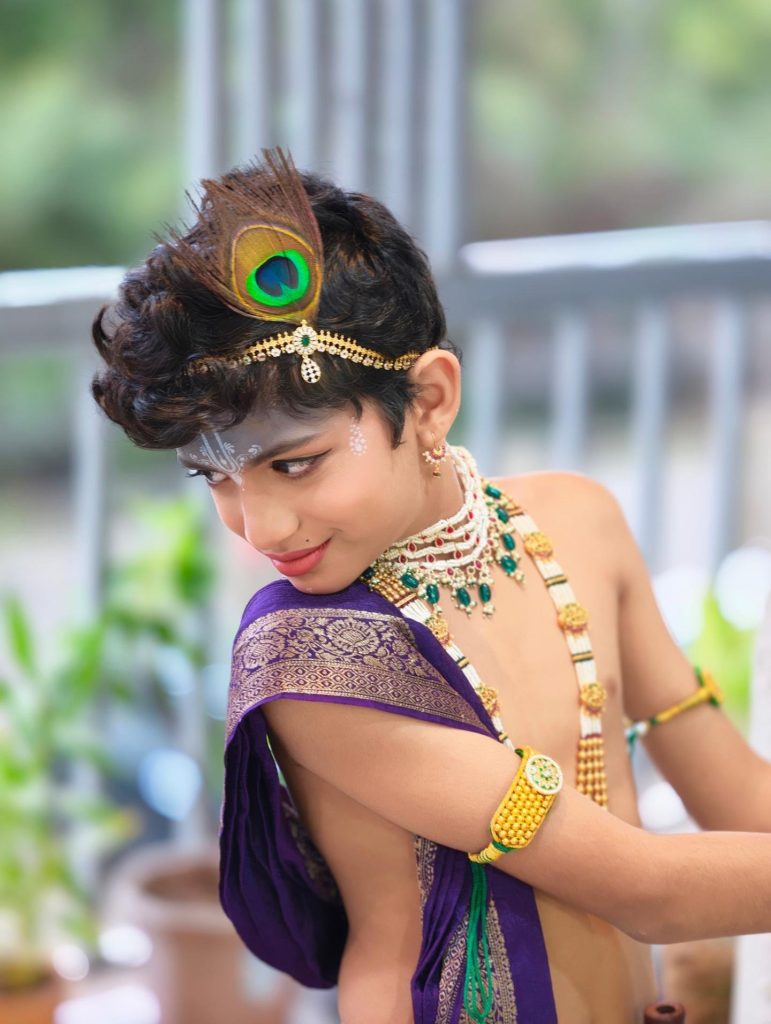
As children wear the crown (Mukut), carry the flute (Bansuri), and hear the stories behind their attire, they form an early emotional connection with classical epics like the Mahabharata and the scriptures of the Bhagavata Purana. This hands-on cultural immersion instills moral values, cultural pride, and respect for tradition.
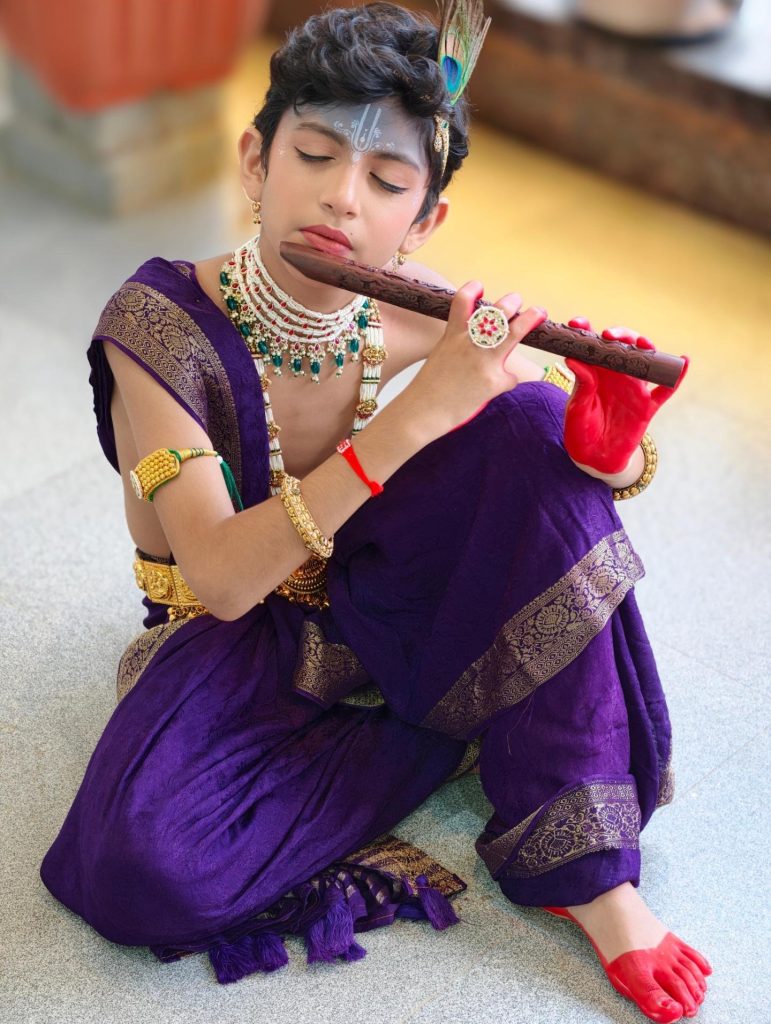
A Universal Message of Love and Protection
It is believed that when children dress up as Lord Krishna, any malevolent forces possessing them will flee. Furthermore, if a child has fallen victim to the ‘evil eye’ (kanneru), sorcery, or harmful spells, such negative influences will depart from the child and return to the individuals who initiated or sent them, thereby ensuring the child’s protection. A lack of interest in studies, intense anger, stubbornness, and a vengeful attitude are considered signs of such malevolent forces. Across India, parents—regardless of their caste or religion—often take an interest in dressing their children as Krishna and Radha.
The custom of dressing children as Radha and Krishna is a rich tapestry woven from faith, parental love, protective rituals, and cultural preservation. It transforms a simple festive gathering into a spiritual experience where every child is seen and treated as a living embodiment of the Divine.
Whether performed as a fulfilled vow of gratitude, a ritual to ward off negative vibrations, or a joyful celebration of life, this practice offers a universal lesson: childhood is sacred, love is divine, and preserving our spiritual roots enriches humanity as a whole.
Next time you see a child dressed as Krishna or Radha, know that you are not just looking at a festive costume—you are witnessing an ancient, living ritual of love, protection, and gratitude that continues to illuminate the world.
#RadhaKrishna #Janmashtami #IndianCulture #HinduTraditions #ChildBlessings #SpiritualHeritage #KrishnaJanmashtami #VedicCulture #SanatanaDharma #RadhaKrishnaCostume #IndianFestivals #CultureAndTraditions #DivineBlessings #HinduVows #KrishnaBhakti #SpiritualProtection #MiniStarMart #IndianHeritage #SpiritualCustoms #SacredTraditions
Janmashtami child outfit meaning , Dressing kids as Radha Krishna , Hindu vow offering for children , Spiritual significance of Radha Krishna , Indian festival customs for kids , Indian Culture & Spirituality , Festivals & Traditions , Krishna dressing tradition …
Published by Mini Star Mart




 No products in the cart.