

Breaking the Cycle: Understanding the Alarming Rise of Global Youth Violence
Youth Violence Trends – This post examines the alarming shift in modern adolescent behavior, exploring how digital exposure, societal transformations, and peer dynamics fuel aggressive acts globally. By analyzing recent juvenile incidents, we highlight the urgent need for parental vigilance, school counseling reforms, and stricter community interventions. Designed to raise international awareness, this discussion emphasizes that teenage violence is not an isolated local problem, but a widespread societal warning sign requiring collective empathy, psychological support, and proactive preventive measures to protect the vulnerable minds of the coming generation before it is too late.
The Dark Rise of Teenage Violence Globally
The headlines from recent school grounds and quiet neighborhoods carry a chilling similarity: young minds engaging in calculated, brutal acts of aggression. Whether it is a targeted assault within a classroom or premeditated violence among minors, these incidents are no longer viewed as mere adolescent high-jinks. They represent a deep, unsettling cultural shift. When society witnesses children turning against peers or family members with calculated hostility, it forces us to ask a difficult question: What is happening to our youth?
This disturbing trend is not confined to a single region. From high-stress academic environments in South Asia to bustling school corridors in the West, juvenile crime is taking on a more organized and aggressive character. To truly understand this crisis, we must look beyond the immediate shock value and examine the multifaceted ecosystem shaping the modern adolescent mind.
The Psychological Shift in Modern Adolescence
Today’s teenagers grow up in an era vastly different from any previous generation. Hyper-connectivity, mediated through smartphones and social media, has fundamentally altered how they perceive reality. According to studies on digital media and youth behavior, continuous exposure to unfiltered content and aggressive online interactions can desensitize young minds to real-world pain. Violence is frequently gamified, glamorized, or trivialized, making extreme actions seem detached from real-world consequences.
Furthermore, the modern quest for instant gratification, fueled by consumerism and peer validation, creates intense psychological pressure. When teenagers lack healthy emotional outlets, minor rejections—such as a denied romantic advance or a social slight—can trigger extreme defensive or retaliatory behavior. They seek power in groups, leading to the formation of aggressive peer circles or school “gangs” that mimic adult criminal syndicates.
The Role of Substance Abuse and Environmental Factors
Another critical catalyst in this equation is the creeping presence of synthetic drugs and chemical substances within school ecosystems. The easy availability of narcotics impairs impulse control, dragging impressionable minds deeper into reckless behavior. Compounding this is the erosion of traditional community support systems. With parents often trapped in demanding work schedules, the vital daily dialogue between children and guardians shrinks, leaving youth vulnerable to toxic influences outside the home.
Institutions and psychological researchers often reference frameworks like the World Health Organization youth violence insights to emphasize that violence is preventable through early community and family intervention.
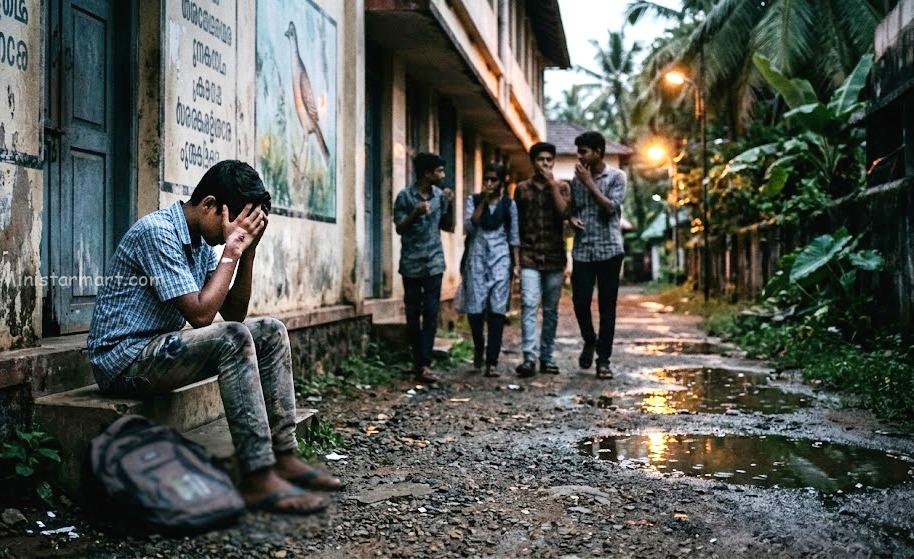
Moving Forward: Rebuilding Empathy and Safeguarding the Future
Addressing this crisis requires a unified societal awakening. We cannot rely solely on punitive measures or juvenile detention centers to fix a systemic fracture. Schools must transition from purely academic institutions to holistic sanctuaries equipped with mandatory professional psychological counseling. Parents need to cultivate environments of open, non-judgmental communication, actively monitoring digital consumption without violating trust.
Ultimately, the cruelty we witness today is a distress signal from a generation navigating an overwhelming world. If we wish to secure a safer tomorrow, we must act now—not just by condemning the acts, but by healing the root causes that drive our children toward darkness.
#YouthViolence #TeenageCrime #MentalHealth #SchoolBullying #GlobalIssues #SocialTrends #ParentingTips #DigitalAge #AdolescentBehavior #JuvenileJustice #ChildPsychology #CommunitySafety #EducationMatters #YouthCounseling #BehavioralChanges #PreventViolence #RaisingTeens #SocialAwareness #FutureGenerations #SupportSystems
school bullying crisis, juvenile crime rise, teenage aggression causes, youth mental health, digital age violence , Social Issues , Global Trends



 No products in the cart.