
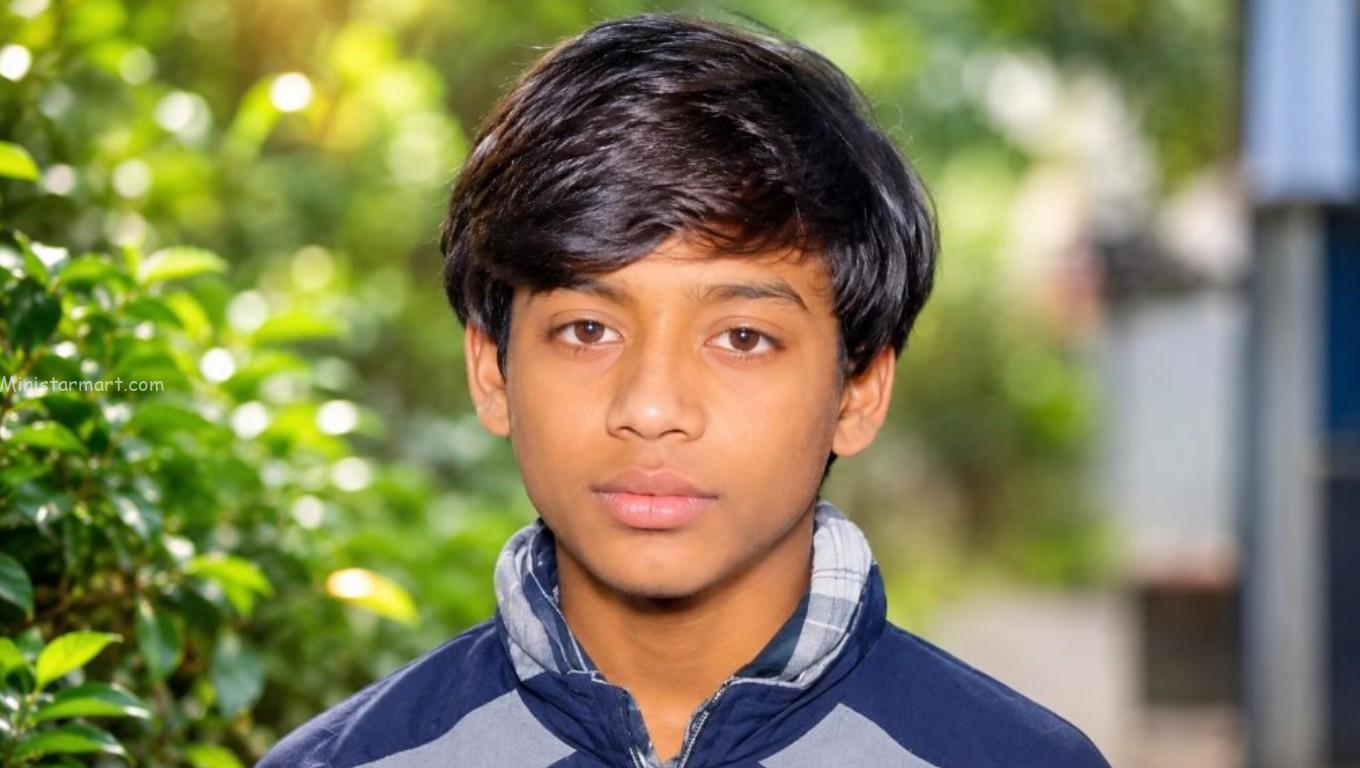
Why a Teenager from Bihar Reminds the World That 99% of Us Just Want Peace
Muhammad Kaif peace – In a digital landscape constantly saturated with hostility, outrage, and sensationalized headlines, a single voice of calm can feel like a sudden breath of fresh air. Recently, the internet paused to listen to a teenager from the remote corners of Bihar, India, who handled a provocative street interview with astonishing poise. When pressed by a reporter with loaded questions hinting at cross-border conflict and regional tensions, young Muhammad Kaif did not take the bait. Instead, he offered a profound perspective: people and countries should coexist peacefully in their own spaces, rather than wishing for destruction or conflict.
His level-headed composure instantly went viral across platforms like My Modern Met, sparking global conversations. But beyond the viral nature of the clip lies a deeper truth that deserves our undivided attention—a truth about human nature, manufactured division, and the quiet majority of the world.
The Illusion of Conflict vs. The Reality of the Majority
When we consume mainstream media or scroll through hyper-partisan online forums, it is easy to fall into the trap of believing that nations are locked in an eternal, inescapable state of hatred. However, a closer look reveals a starkly different reality. Hatred, hostility, and perpetual friction are rarely natural states of being; rather, they are aggressively manufactured and sustained because division serves the narrow agendas of vested interests.
In truth, statistical estimates and sociological realities point to an inspiring fact: roughly 99 percent of ordinary citizens in neighboring nations like India and Pakistan simply want to live normal, secure, and peaceful lives. They care about putting food on the table, educating their children, pursuing their dreams, and enjoying cultural bonds, rather than engaging in geopolitical enmity.
When Muhammad Kaif calmly articulated that nobody should wish for another’s destruction, he was not just speaking as an individual; he was giving voice to the silent, overwhelming majority. He exposed the loud minority whose power relies entirely on keeping ordinary people at odds with one another.
The Power of Calm Empathy in a Polarized Era
What made Kaif’s response so magnetic was not complex political rhetoric, but rather its radical simplicity. Empathy requires very little vocabulary, yet it carries infinite weight. In an era where online engagement rewards fiery arguments and explosive reactions, choosing peace is an act of quiet rebellion.
Psychologists and cultural analysts frequently note that youth are deeply impressionable, often mirroring the toxicity they witness around them. When a seventeen-year-old chooses emotional regulation and human solidarity over defensive hostility, it challenges adults to reevaluate their own biases. It reminds us that empathy is not a sign of weakness, but the ultimate expression of internal strength and emotional maturity.
Furthermore, this viral moment underscores the changing role of social media. While algorithms often amplify outrage, they also occasionally elevate grassroots moments of profound humanity. Millions of shares and positive comments demonstrated a universal hunger for reconciliation and mutual respect. People are tired of being pitted against each other based on geography or identity.
Building a Bridge for Future Generations
As we reflect on Kaif’s message, we must ask ourselves how we can foster this mindset in our daily lives and communities. True global citizenship begins when we stop viewing our neighbors through the distorted lens of political propaganda. It requires conscious effort to question hostile narratives, refuse to amplify inflammatory content, and recognize the shared struggles and aspirations that bind humanity together.
The burden of building a peaceful world does not rest solely on diplomats and international treaties; it is built in everyday conversations, in classrooms, on street corners, and in how we choose to respond to provocation. Muhammad Kaif reminded a global audience that humanity’s baseline is rooted in coexistence, not conflict.
Let us carry this insight forward. When we share stories like this, we actively participate in shifting the cultural narrative away from division and toward a shared, compassionate future.
Beyond the Noise: Why We Crave Peace
Muhammad Kaif peace – In a world increasingly driven by digital polarization, political rhetoric, and sensationalized media conflicts, stories that highlight fundamental human harmony carry profound global significance. This international feature explores the viral response of Muhammad Kaif, a young teenager from Bihar, India, who responded to provocative interview questions with an inspiring call for mutual coexistence. By analyzing the contrast between manufactured geopolitical hostility and the peaceful aspirations of the 99 percent majority, this post encourages readers worldwide to reflect on the power of empathy, emotional intelligence, and grassroots solidarity. Designed to inspire self-reflection and organic sharing, it serves as a timely reminder that peace is not a passive dream, but an active, shared human choice essential for the generations of tomorrow.
#MuhammadKaif #PeaceAndHarmony #IndiaPakistan #GlobalPeace #ShareHumanity #EmpathyWins #YouthForPeace #BiharTeen #PositiveVibes #WorldPeace #EndDivision #HumanityFirst #ViralInterview #PeaceOverWar #InspiringYouth #KindnessMatters #GlobalCitizens #SpreadLove #MindfulYouth #BridgeTheGap
India Pakistan peace , Viral street interview , Youth advocating peace , Bridging regional divides , Empathy in media , Peace & Humanity , Global Perspectives , Muhammad Kaif peace , The Real Indian Blood , Indian Muslim , Jai Hind …



 No products in the cart.