
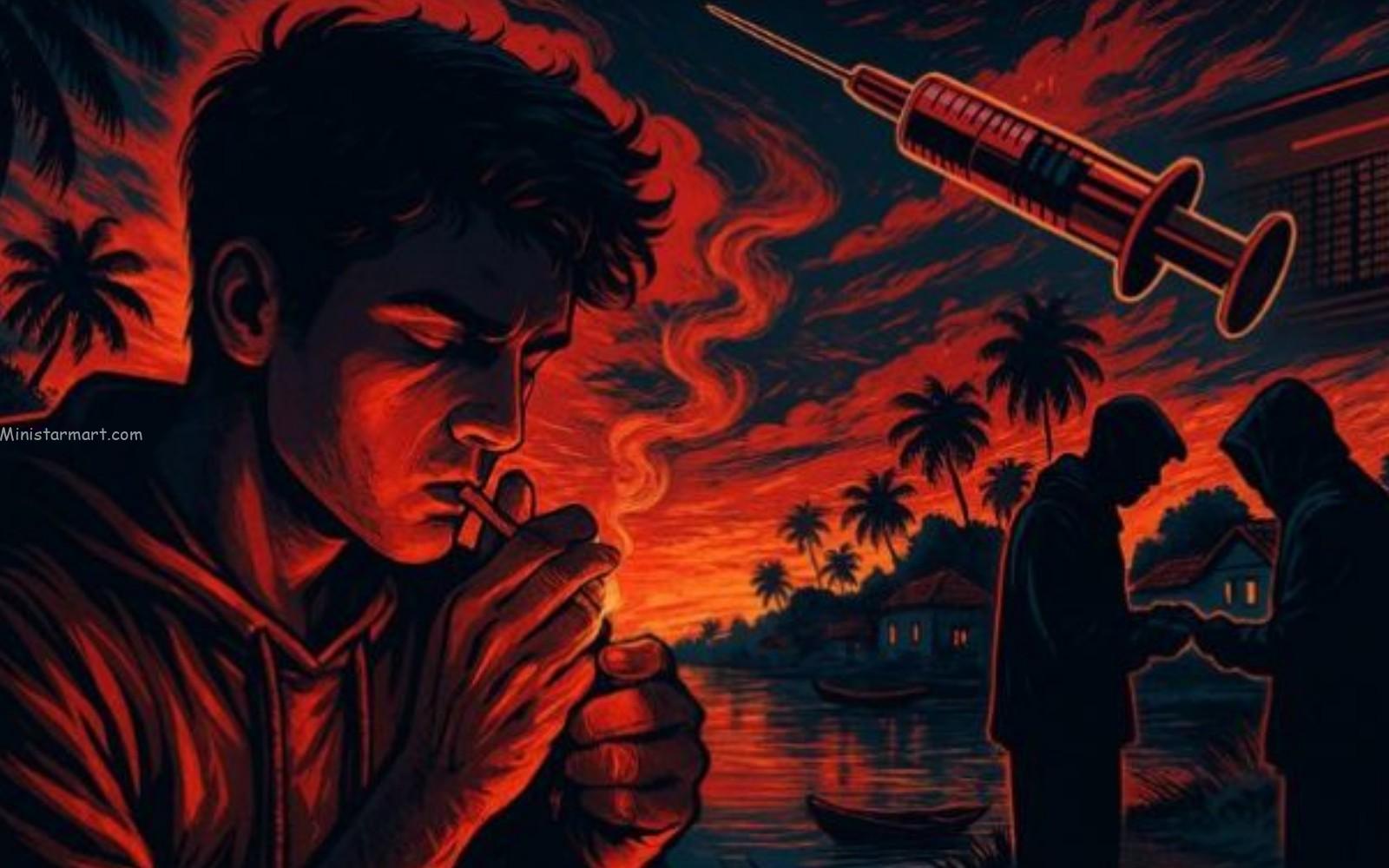
Introduction: A Growing Concern in a Progressive State
Kerala Youth Crisis – Kerala, a southern state in India renowned for its high literacy rates, advanced healthcare infrastructure, and progressive social indicators, is currently confronting an unsettling phenomenon. Reports regarding adolescent mental health struggles, youth running away from homes, and juvenile conflicts with the law have sparked intense public debates across communities. As stories circulate on social media and local news networks, many observers wonder whether societal safeguards are weakening and why young people seem increasingly vulnerable.
To understand the scope of this crisis, one must separate media sensation from statistical reality. While public discourse often lumps all youth issues into a single narrative, data reveals distinct patterns. Juvenile delinquency, for instance, overwhelmingly involves adolescent males, whereas runaway reports and mental health distress present vastly different gender dynamics. Addressing these challenges requires examining structural changes, psychological pressures, and evolving socio-economic conditions.
Analyzing the Real Statistics: Debunking Myths
A common assertion in casual discussions is that young males account for nearly eighty percent of all youth-related issues, including running away and mental health distress. However, official crime records and psychological surveys paint a far more nuanced picture.
- Juvenile Delinquency: Official statistics from law enforcement agencies confirm that young males do indeed constitute the vast majority—frequently between 80% and 90%—of juveniles in conflict with the law. Their involvement typically centers on substance distribution, violent altercations, property offenses, and cybercrimes.
- Runaway Incidents: Data from police missing-persons units indicates that runaway cases are actually higher among young females. Key drivers include romantic relationships, domestic conflicts, unrealistic expectations formed online, and fear of academic failure.
- Mental Health and Suicide Trends: According to global research by UNICEF, emotional distress affects adolescents indiscriminately. While adolescent females report higher rates of anxiety and non-fatal self-harm attempts, males represent a higher proportion of completed suicides. This pattern stems largely from traditional reluctance among young men to seek timely psychological support.
Key Drivers Behind Male Youth Vulnerability
Understanding why adolescent males are significantly overrepresented in juvenile crime and fatal self-harm requires looking at a convergence of social, psychological, and behavioral factors.
1. The Infiltration of Synthetic Drugs
The rapid proliferation of synthetic substances, particularly MDMA and psychotropic pills, has created a severe public health challenge. Illegal drug networks specifically target young males, initially engaging them as consumers and subsequently exploiting them as micro-distributors. Synthetic drugs severely impair impulse control, triggering aggression, paranoia, and reckless decision-making that often leads to criminal acts.
2. Societal Expectations and “Toxic Masculinity”
Cultural norms historically dictate that males must display emotional invulnerability. Phrases like “boys don’t cry” discourage young men from vocalizing fear, academic anxiety, or depressive thoughts. When emotional distress is continuously suppressed, it frequently manifests outward as violent behavior or inward as severe self-harm.
3. Digital Addiction and Exposure to Violence
The post-pandemic acceleration of smartphone adoption has reshaped childhood. Extended hours spent playing violent multiplayer video games or consuming glorifying depictions of crime culture on social media can desensitize young minds. The boundary between virtual bravado and real-world consequences becomes blurred, prompting impulsive actions.
4. Changing Family Structures and Lack of Mentorship
Modern socio-economic pressures often require both parents to work long hours, leaving adolescents with reduced supervision during critical developmental years. Without accessible positive male role models or structured mentorship, young men often turn to peer groups that validate risky behaviors.
Evaluating Systemic, Political, and Socio-Economic Factors
In local political discourse, critics frequently attribute rising youth crime directly to state administrative policies or governance over the past decade. While government institutions bear primary responsibility for law enforcement and public safety, attributing a multi-faceted behavioral crisis solely to political administration oversimplifies the problem.
- Law Enforcement and Rehabilitation Challenges: Critics point to gaps in intelligence networks that allow drug cartels to operate near educational institutions. Additionally, juvenile justice frameworks often lack sufficient long-term rehabilitation infrastructure, leading to high recidivism rates among first-time young offenders.
- Economic Frustration and Youth Migration: The lack of diverse industrial employment opportunities in the region has driven a massive exodus of skilled youth abroad. For those remaining, feelings of stagnation and economic uncertainty can foster apathy, making them susceptible to negative influences.
- Increased Reporting Standards: Conversely, part of the statistical surge stems from improved reporting mechanisms. Modern child protection laws, such as POCSO, alongside dedicated helplines, ensure that offenses previously swept under the rug are now systematically registered.
National data compiled by the National Crime Records Bureau (NCRB) highlights that student distress and juvenile offenses are rising across multiple states in India, underscoring that this is a broad socio-technological shift rather than an isolated local policy failure.
Actionable Solutions: Building a Resilient Future
Resolving this crisis requires a coordinated effort uniting families, educational institutions, healthcare professionals, and community leaders.
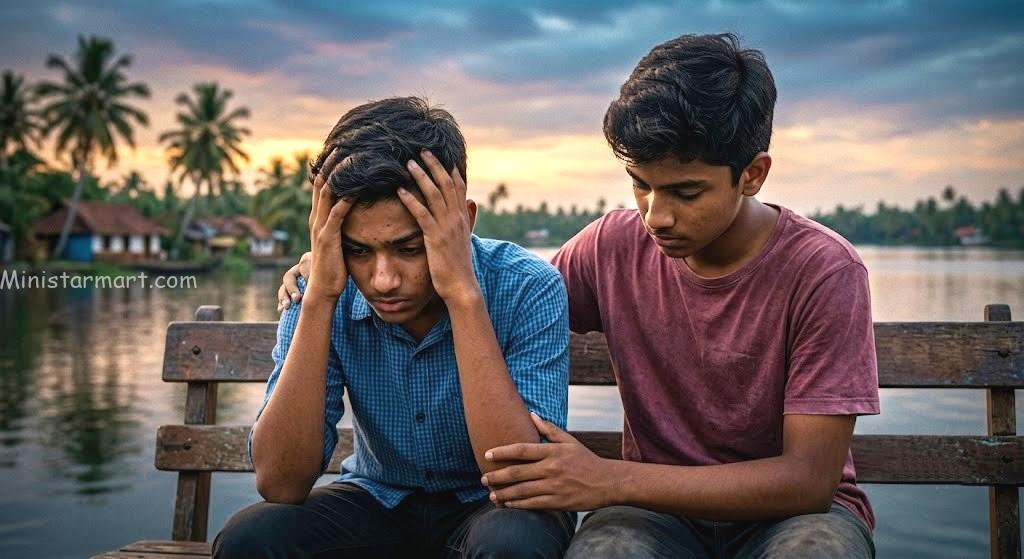
- Fostering Open Communication at Home: Parents must cultivate safe, non-judgmental environments where children feel comfortable discussing their fears, emotional struggles, and peer pressures without fear of immediate punishment.
- Stringent Anti-Drug Enforcement and Rehabilitation: Law enforcement agencies must dismantle drug supply chains while treating addicted youth as patients requiring medical treatment rather than hardened criminals.
- Institutionalizing School-Based Mental Health Services: Every secondary school should employ trained counselors to conduct mandatory mental health check-ups, emotional intelligence workshops, and digital wellness programs.
- Encouraging Healthy Outlets: Communities must invest in accessible sports facilities, creative arts centers, and vocational mentorship programs to channel youth energy into constructive achievements.
Conclusion
The challenges surrounding youth crime, mental health, and behavioral distress in Kerala reflect the complex reality of a society undergoing rapid modernization. By looking past politically charged arguments and focusing on evidence-based solutions, communities can build strong support systems for the next generation. Protecting young people requires empathy, vigilant parenting, robust public policies, and an unwavering commitment to emotional well-being.
Understanding the Youth Crisis in Kerala: Key Causes and Actionable Solutions
Kerala Youth Crisis – This post addresses the growing concerns surrounding youth mental health, runaway incidents, and juvenile delinquency in Kerala, India. While public discussions frequently highlight alarming social changes, analyzing verified data reveals complex realities across genders and social sectors. Juvenile delinquency overwhelmingly affects young males through substance abuse and peer pressures, whereas runaway cases and emotional distress show broader demographic distributions. By exploring core drivers—including synthetic drug networks, societal pressures, digital addiction, and changing socio-economic landscapes—this article provides a balanced perspective. It moves beyond political rhetoric to offer meaningful, community-centric solutions aimed at safeguarding the psychological well-being and future of the younger generation globally.
#KeralaYouth #YouthMentalHealth #JuvenileDelinquency #MentalHealthAwareness #YouthInCrisis #SocialAwareness #KeralaNews #ParentingTips #YouthEmpowerment #SubstanceAbusePrevention #DigitalDetox #ChildPsychology #MaleMentalHealth #KeralaDiaries #CommunitySupport #FutureGenerations #MiniStarMart #IndiaYouth #PreventYouthCrime #MentalWellness
Juvenile Delinquency Kerala, Youth Mental Health India , Adolescent Behavior Trends , Synthetic Drug Addiction , Male Youth Vulnerability , Kerala Youth Crisis
Platform Notice
Published for readers worldwide on www.ministarmart.com.


 No products in the cart.